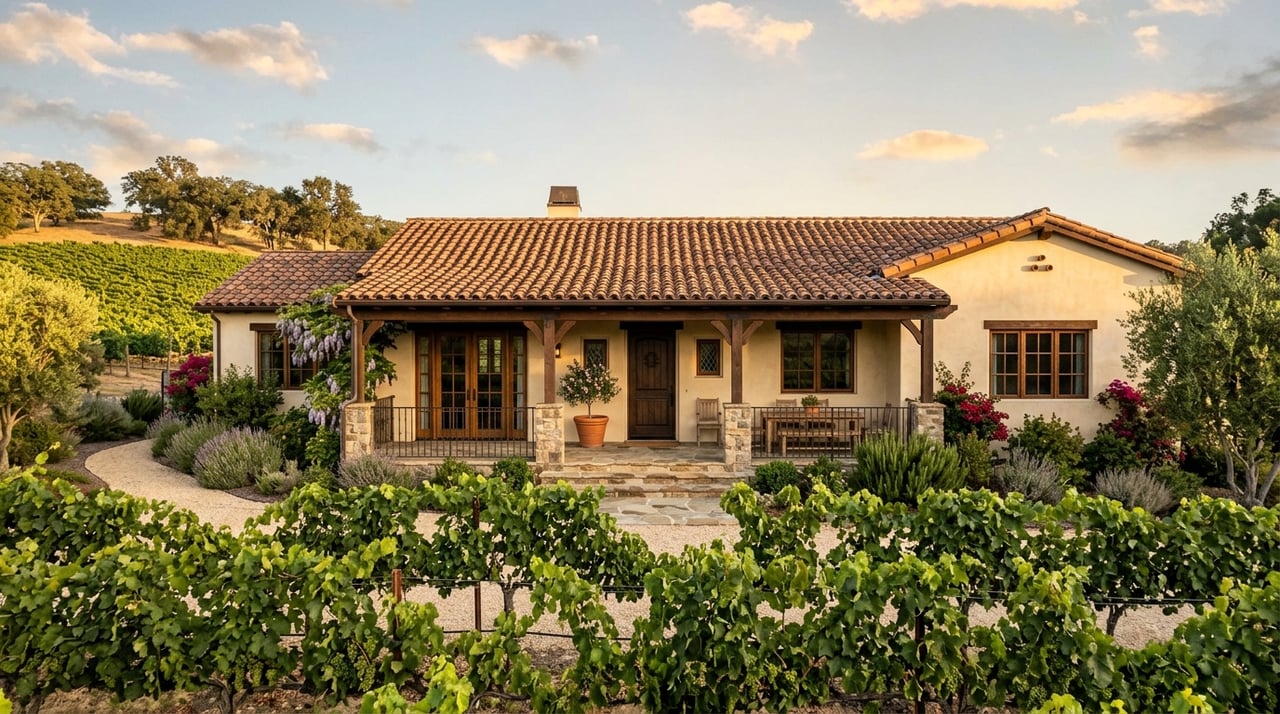
Thinking about trading beach proximity for vineyards, open space, and a slower pace? Buying a home in Santa Ynez Valley wine country can be exciting, but it also comes with a very different set of decisions than buying along the Santa Barbara coast. If you are exploring this move, it helps to understand the valley’s distinct communities, property types, and rural due diligence before you write an offer. Let’s dive in.
Why Santa Ynez Valley Draws Buyers
Santa Ynez Valley is Santa Barbara County’s inland wine-country planning area, known for its scenic pastoral character and agricultural roots. The county identifies the area as including the unincorporated townships of Santa Ynez, Ballard, and Los Olivos, along with surrounding rural and agricultural lands.
The broader region is often described through six communities: Solvang, Buellton, Los Alamos, Los Olivos, Santa Ynez, and Ballard. Together, they create a lifestyle centered on wine, food, outdoor recreation, and small-town charm.
For many buyers, the appeal is simple. You can find a setting that feels more spacious, more private, and more tied to the land than many coastal neighborhoods. At the same time, the valley remains relatively accessible, about two hours northwest of Los Angeles and reached by U.S. 101 and State Highways 154 and 246.
Santa Ynez Valley Is Not One Setting
One of the biggest mistakes buyers make is treating the valley like a single neighborhood. In reality, each community offers a different feel, and that difference can shape your daily life just as much as the home itself.
Ballard is often described as a rural gem, while Buellton is seen as a gateway city. Los Alamos has a vintage western identity, Los Olivos is closely tied to wine-country living, Santa Ynez reflects a historic township character, and Solvang is known for its northern European atmosphere.
That variety matters if you are relocating or comparing lifestyle options. A property in one part of the valley may offer a very different experience from a property just a short drive away.
What Homes Buyers Commonly Find
In Santa Ynez Valley, you are often shopping for a rural lifestyle as much as a house. Compared with denser coastal inventory, the valley tends to point buyers toward larger-lot homes, ranch properties, horse properties, vineyard-adjacent estates, and land parcels.
That does not mean every property is expansive, but it does mean land often plays a bigger role in value and usability. The setting itself can influence how you think about privacy, maintenance, future improvements, and long-term enjoyment.
If you are moving from Santa Barbara’s coast or another urban market, this shift can be meaningful. In the valley, the lot is often not just a backdrop. It is part of the lifestyle and part of the decision.
Why Parcel Status Matters
A beautiful piece of land does not always offer the flexibility buyers assume. Some parcels in Santa Barbara County fall within the Agricultural Preserve, also known as the Williamson Act framework, and the county assessor provides separate agricultural-property resources.
For you as a buyer, the practical takeaway is to verify parcel status early. Land-use rules can affect remodeling, redevelopment, future resale positioning, and how the property may be used over time.
This is especially important if you are buying with a vision. If you are imagining additions, changes to the land, or long-term planning opportunities, those assumptions should be confirmed before you move forward.
Buying Land or Acreage Takes Extra Review
If the property includes vacant land or possible future split potential, county land-division rules matter. Santa Barbara County subdivision regulations include standards for rural lot-line adjustments, parcel size, and zoning findings.
For example, certain rural lot-line adjustments are limited to changes that do not exceed 10 percent of the smallest existing parcel. Agricultural parcels under preserve contract can face added conditions, including requirements tied to sustaining agricultural use.
You do not need to memorize the code, but you do want clarity before buying. When acreage is part of the value story, understanding what can and cannot be changed is essential.
Rural Due Diligence Is a Bigger Deal Here
A Santa Ynez Valley purchase often calls for a more layered checklist than a condo or tract home. Rural properties can involve systems and conditions that need closer review long before closing.
In many cases, you may need to look carefully at water supply, septic systems, access roads, topography, grading constraints, and wildfire exposure. These issues do not automatically mean a property is a bad fit. They simply mean the inspection and review process needs to match the setting.
This is where local guidance becomes especially valuable. A calm, organized approach can help you focus on what matters most for the parcel you are considering.
Check Water and Well Details Early
Water is one of the most important pieces of rural due diligence in the valley. Santa Barbara County notes that its water program oversees water wells and drinking water to protect public health and help ensure systems are safe and adequately supplied.
The valley also sits within the Santa Ynez River Valley Groundwater Basin. That basin is one of the county’s major groundwater basins and is organized into western, central, and eastern management areas led by local groundwater sustainability agencies.
For you, that means a well is not just a utility feature on a flyer. It is part of the property’s long-term usability, maintenance profile, and overall ownership experience.
Understand Septic Before You Buy
Not every home in Santa Ynez Valley connects to public sewer. Santa Barbara County Environmental Health states that onsite wastewater treatment systems, or septic systems, are used where homes do not have access to public sewer.
That makes septic review an important part of the buying process. If a home relies on septic, you will want to understand the system’s condition, capacity, and any maintenance considerations tied to the property.
For buyers coming from more urban areas, this can feel unfamiliar at first. Still, it is a normal part of many rural purchases and one of the key items to review carefully.
Fire Hazard Review Should Be Standard
Wildfire review is a necessary step when buying in this setting. CAL FIRE explains that Fire Hazard Severity Zone maps are based on factors such as fire history, fuels, terrain, and fire weather.
Current reference points include CAL FIRE’s 2024 state maps and Santa Barbara County Fire’s 2025 local-responsibility maps. Santa Barbara County Fire also maintains local hazard, defensible-space, and PSPS maps.
Before you buy, it is wise to understand how the property fits into those hazard frameworks. That context can help you prepare for ownership, maintenance expectations, and property-hardening considerations.
Topography and Access Can Affect Usability
In hillside or raw-land settings, the land itself can shape what is practical. Santa Barbara County subdivision rules note that a preliminary geological report may be required in some cases, and a preliminary grading plan is needed when natural slopes of 10 percent or steeper occur within a subdivision area.
Even if the property is already improved, those standards are a good reminder. Driveways, drainage, grading, and access can all influence how a parcel functions and what future changes may involve.
This is one reason valley buyers often benefit from looking beyond the home’s finishes. The surrounding land can carry just as much importance as the structure.
How Valley Living Differs From the Coast
If you are deciding between Santa Ynez Valley and Santa Barbara’s coastal neighborhoods, the lifestyle contrast is helpful. The simplest way to frame it is this: the valley is more land-focused, while the coast is more water-focused.
The City of Santa Barbara describes its coastal zone as including shoreline, public beaches and parks, an extensive public waterfront, and a working harbor. Santa Ynez Valley, by contrast, is described through rolling vineyards, oak-studded hills, short-drive communities, and scenic outdoor recreation.
In practical terms, buyers are often weighing different priorities. The coast may offer easier access to beaches, the harbor, and a more urban rhythm, while the valley often offers more land, more privacy, and a stronger agricultural setting.
Who Is a Good Fit for Santa Ynez Valley
Santa Ynez Valley can be a strong fit if you want a retreat-like property and appreciate a small-town wine-country setting. It may also appeal to you if larger parcels, privacy, and a ranch or vineyard-adjacent lifestyle matter more than frequent beach access.
It is also important to be comfortable with the extra diligence that can come with rural ownership. Water, septic, fire-hardening, land use, and access are not side notes here. They are part of making a confident decision.
If that balance sounds right, the valley can offer a distinctive and rewarding way to live in Santa Barbara County.
If you are exploring Santa Ynez Valley and want clear, locally informed guidance, Live In Santa Barbara can help you compare communities, evaluate property fit, and move forward with confidence.
FAQs
What makes buying a home in Santa Ynez Valley different from buying on the Santa Barbara coast?
- Santa Ynez Valley purchases often involve more land, more rural infrastructure, and more due diligence around water, septic, wildfire exposure, access, and parcel use than a typical coastal purchase.
What types of properties are common in Santa Ynez Valley wine country?
- Buyers often find larger-lot homes, ranch properties, horse properties, vineyard-adjacent estates, and land parcels rather than dense condo-style inventory.
Why should Santa Ynez Valley buyers check parcel status before purchasing?
- Parcel status can affect land-use flexibility, including assumptions about remodeling, redevelopment, lot-line changes, and long-term property use.
Do Santa Ynez Valley homes always connect to public sewer?
- No. Santa Barbara County states that onsite wastewater treatment systems, or septic systems, are used where homes do not have access to public sewer.
Why is water due diligence important for Santa Ynez Valley homes?
- The valley sits within the Santa Ynez River Valley Groundwater Basin, so water supply and well details can be an important part of a property’s long-term usability and ownership profile.
Should buyers review wildfire maps for Santa Ynez Valley properties?
- Yes. Buyers should review current CAL FIRE and Santa Barbara County Fire hazard maps to better understand wildfire exposure and property-related preparedness considerations.