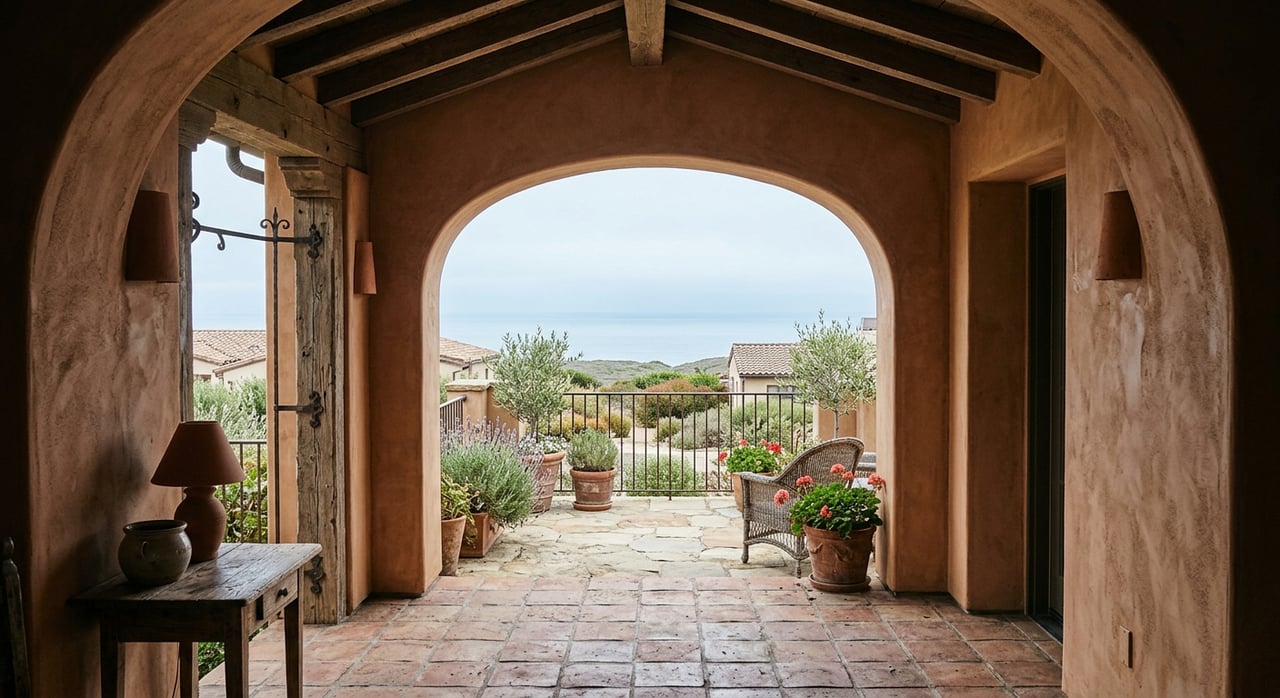
Wondering if life on the Mesa is all sunsets and ocean breezes? It is easy to see the appeal, but buying here also means understanding the day-to-day realities that come with a coastal bluffside neighborhood. If you are weighing the Mesa against other parts of Santa Barbara, this guide will help you understand what makes it special, where the tradeoffs show up, and how to shop with more confidence. Let’s dive in.
Why the Mesa Stands Out
The Mesa has a distinct coastal identity within Santa Barbara. According to the City of Santa Barbara’s Coastal Land Use Plan, it stretches east from Arroyo Burro Beach to the western boundary of Santa Barbara City College and inland to Cliff Drive, with bluff frontage along Shoreline Drive that opens up views of the ocean, beach, harbor, and Channel Islands.
That setting shapes both lifestyle and housing. The city describes the neighborhood as predominantly single-unit housing, with a commercial center dividing East Mesa and West Mesa. For you as a buyer, that means the Mesa offers a more established, built-out feel than a neighborhood defined by large new developments or uniform tract planning.
East Mesa vs. West Mesa
The Mesa is not one single experience. The city’s General Plan separates it into East Mesa and West Mesa, and each side has its own housing pattern and rhythm.
East Mesa at a Glance
East Mesa is described by the city as a small-lot single-family neighborhood, with some multifamily housing near Oceano and Barranca Avenues and a commercial area near Cliff Drive and Meigs Road. The city lists East Mesa at 376 acres with 1,676 dwelling units.
If you are looking in East Mesa, you may notice a tighter neighborhood fabric in some pockets. Small differences in lot size, street pattern, and proximity to local commercial areas can shape how a home feels from one block to the next.
West Mesa at a Glance
West Mesa is mostly single-family, with a commercial center at Cliff Drive and Meigs Road and some duplex and condominium development near that core. The city lists West Mesa at 350 acres with 1,152 dwelling units.
For buyers, West Mesa can feel different depending on how close you are to the commercial center, the bluff edge, or interior residential streets. Even when two properties share a Mesa address, the daily experience can vary quite a bit based on exact location, elevation, and orientation.
Ocean Views Are a Real Draw
The Mesa’s biggest lifestyle pull is easy to understand once you spend time there. Bluff-top areas along Shoreline Drive and nearby public spaces offer broad coastal views that can include the ocean, harbor, beach, and Channel Islands.
Shoreline Park is one of the neighborhood’s most recognizable amenities. The city describes it as one of Santa Barbara’s most popular parks, with walking paths, Channel Islands views, a whale-watching area, and a stairway down to the beach.
If ocean scenery is high on your list, the Mesa offers a setting that feels closely tied to the coastline. That said, not every Mesa home has the same view access, and homes only a few streets apart can have very different outlooks.
Beach Access Is Better Than Many Buyers Expect
The Mesa is not just about looking at the water. It also sits next to an unusually accessible public coastline.
The city notes that roughly four miles of Santa Barbara’s southern border are beaches and that about 70% of the city’s Coastal Zone is in public ownership. For you, that means the Mesa is next to a shoreline that is shaped more by public access than by private barriers.
Key Access Points to Know
The city identifies Mesa beach access points at Mesa Lane and Thousand Steps. Mesa Lane Steps provide the only access to the beach from the cliffs for one mile in either direction.
Thousand Steps is also a major public access point and one of only three public beach access stairways in the city. The city has also noted that this stairway has needed safety repairs after harsh coastal conditions and regular use affected the lower stairs, which is a practical reminder that coastal infrastructure and coastal living both deal with wear from weather and exposure.
The Tradeoffs Behind the Scenery
Buying on the Mesa usually means making a deliberate lifestyle choice. The same features that create the neighborhood’s appeal also bring considerations that are worth understanding before you buy.
Fog and Marine Layer
Santa Barbara has a Mediterranean climate with cool, wet winters and mild, dry summers. The city’s environmental review materials also note that fog is frequently experienced when humid marine air meets warmer inland air, especially in the early morning or evening and particularly in late spring and early summer.
In practical terms, the Mesa can feel cooler and grayer than inland buyers sometimes expect. If you love ocean air, that may feel like part of the charm. If you are hoping for warm, clear mornings every day, it is important to set realistic expectations.
Coastal Rules and Property Changes
The Mesa sits within the city’s coastal-regulatory framework. The Local Coastal Program says the Coastal Zone generally extends inland about half a mile from the ocean, and development there is reviewed under the Coastal Act and Local Coastal Program.
The city’s updated Coastal Land Use Plan specifically addresses development near coastal bluffs and creeks, and the General Plan includes a separate appendix on coastal-bluff setbacks. If you are considering a bluff-adjacent property and already thinking about a remodel or addition, you should expect that review may be more involved than it would be for a similar inland property.
Parking Pressure in Some Areas
Parking can also be part of the equation on the Mesa. The city has a designated residential permit parking area in the neighborhood, which suggests curb space is managed carefully in at least some pockets.
That does not mean every street has the same parking pattern, but it does mean you should pay attention to real-world conditions when touring a property. Visit at different times of day if parking convenience matters to you.
Car Dependence and Commute Patterns
Transportation is another clear tradeoff. A city draft action plan characterizes the Mesa as having discontinuous roadway patterns and limited walking, biking, and transit infrastructure, which makes residents more likely to rely on a vehicle as their primary mode of transportation.
At the same time, Cliff Drive is identified as a main transit corridor and a high-priority safety corridor. The current Cliff Drive Vision Zero Project is adding a three-mile separated path along with new crossings and traffic signals, which points to continued improvement even though much of daily life still leans car-based today.
For longer regional trips, U.S. 101 remains the primary vehicular link to Goleta, Carpinteria, Ventura, and northern Santa Barbara County. If your routine includes regular commuting beyond the Mesa, driving patterns should be part of your evaluation.
What the Housing Search Really Requires
The Mesa tends to reward buyers who look closely, not broadly. Because the neighborhood is mature and mostly built out, your experience will often depend less on the name of the area and more on the details of a specific property and street.
That means it helps to evaluate homes through a very practical lens:
- Exact street location
- Elevation and orientation
- Distance to bluff areas or beach access
- Proximity to Cliff Drive and Meigs Road
- Parking setup and curb conditions
- Whether future property changes may involve more coastal review
This is one of those Santa Barbara neighborhoods where micro-location matters. A home with the same general ZIP code and neighborhood label can offer a meaningfully different daily routine.
Who the Mesa Fits Best
The Mesa can be a strong fit if you are drawn to coastline proximity, public beach access, and a neighborhood with a clear sense of place. It also tends to work well for buyers who understand that topography, street layout, and orientation can shape value and lifestyle just as much as square footage.
It may be a less natural fit if you want a highly uniform neighborhood pattern, abundant inventory, or a routine that stays car-light throughout the day. The Mesa is best understood as a location-sensitive search, where the right block can make all the difference.
Buying Smart on the Mesa
If you are serious about buying on the Mesa, the most helpful mindset is to stay specific. Instead of asking whether the Mesa is right for you in general, ask whether a certain pocket, street, or property supports the way you actually want to live.
That is where local context matters. Understanding how East Mesa differs from West Mesa, how bluff influence affects views and review, and how daily logistics show up from one block to another can help you make a calmer, better-informed decision.
If you are exploring the Mesa and want thoughtful guidance on how each pocket lives, Live In Santa Barbara can help you compare options with a clear local lens.
FAQs
What makes the Mesa different from other Santa Barbara neighborhoods?
- The Mesa is defined by its coastal bluff setting, public beach access, ocean views, and mostly single-unit housing, but it also comes with tradeoffs like fog, parking pressure in some areas, and a more car-dependent daily routine.
What should buyers know about East Mesa and West Mesa?
- East Mesa and West Mesa have different housing patterns and commercial areas, so two homes in the Mesa can live very differently depending on their street, elevation, and distance from the bluff or Cliff Drive.
What should buyers expect from weather on the Mesa?
- Buyers should expect marine layer and fog, especially in the early morning or evening and often in late spring and early summer, which can make the coast feel cooler and grayer than inland areas.
What should buyers know about remodeling a Mesa property?
- Buyers should know that properties within the coastal-regulatory area, especially near bluffs or creeks, may face more review for additions or remodels than similar homes farther inland.
What should buyers know about transportation on the Mesa?
- Buyers should know that the Mesa is generally more vehicle-dependent because of roadway patterns and limited walking, biking, and transit infrastructure, although improvements are underway along Cliff Drive.