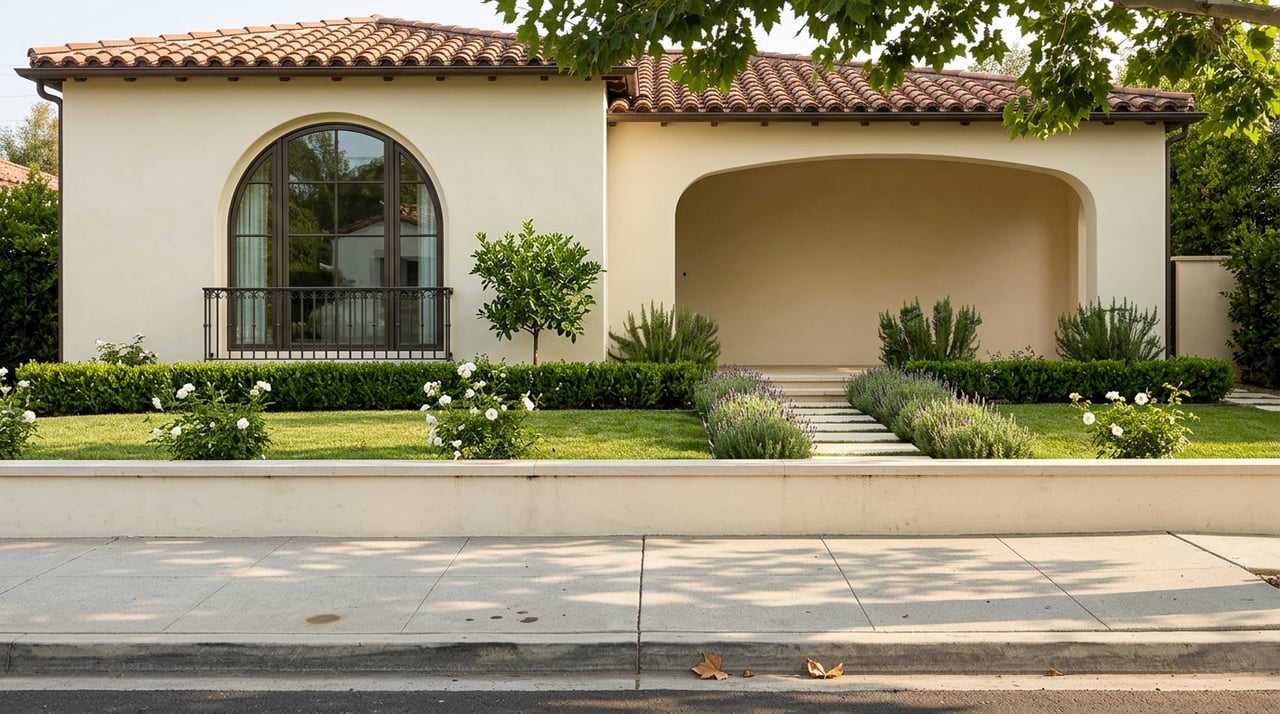
Looking for a Santa Barbara neighborhood that feels peaceful, established, and close to everything? The Upper East stands out for exactly that reason. If you want a better sense of what day-to-day life here actually feels like, this guide will walk you through the neighborhood’s layout, architecture, outdoor routines, and proximity to Downtown. Let’s dive in.
Upper East at a glance
The City of Santa Barbara describes Upper East as a primarily residential neighborhood spanning 377 acres with 1,436 dwelling units. Its boundaries run from Mission Creek and Las Encinas Road on the north to Sola Street on the south, with Laguna Street, Olive Avenue, and Olive Street to the east and State Street to the west.
That footprint helps explain the neighborhood’s appeal. Upper East feels close-in rather than suburban, with an established residential character and easy access to central Santa Barbara. For many buyers, that combination is a big part of the draw.
A neighborhood with distinct pockets
One of the most important things to know about Upper East is that it does not feel exactly the same block to block. The northern portion is known for more spacious single-family homes set back from the street on larger lots.
Closer to Sola, Valerio, Garden, and Laguna, the neighborhood shifts. In that area, the city notes a more multi-family pattern and a location within walking distance of Downtown. That gives the southern edge a slightly denser, more connected feel.
This variation matters if you are comparing lifestyle priorities. Some buyers are drawn to larger lots and a quieter residential setting, while others prefer being closer to everyday errands, dining, and a more walkable in-town rhythm.
Upper East architecture feels layered
If you enjoy neighborhoods with visual character, Upper East offers a lot to notice. Santa Barbara’s historic preservation materials place the area within the city’s broader landscape of “exotic revivals,” and city style guides include Upper East examples of Queen Anne Free Classic and American Colonial Revival.
More broadly, Santa Barbara’s architectural vocabulary also includes Mission Revival, Spanish Colonial Revival, Mediterranean Revival, and Craftsman influences. In everyday terms, that means Upper East tends to feel architecturally layered rather than uniform.
Instead of one repeating home type, you are more likely to see a mix of older styles, mature landscaping, and streets that feel shaped over time. For buyers who value charm and a sense of place, that is often part of the neighborhood’s lasting appeal.
Streets, lots, and setting
Parts of Upper East are also tied to the proposed Mission Gardens Historic District, which includes areas of both Upper East and Lower Riviera. It is important to note that this is a potential historic district, not a designated one.
Even so, the city’s description offers useful insight into the area’s texture. It highlights period-revival buildings, a retained historic pattern of streets and sidewalks, and a natural setting below steeply sloping hillsides with rocky outcrops and native oaks.
That helps explain why Upper East often feels scenic in a quiet, understated way. The neighborhood’s appeal is not just about individual homes. It is also about how the streets, lots, trees, and surrounding landscape work together.
The Mission shapes daily rhythm
One of Upper East’s most recognizable landmarks is Old Mission Santa Barbara. Founded in 1786, the Mission sits on about 15 acres overlooking the Pacific and includes the church, museum, gardens, cemetery, and mausoleum.
For nearby residents, the Mission is more than a historic site. It can also shape the feel of the day. The Mission notes that its bells ring daily at 6 a.m., noon, and 6 p.m., giving the area a rhythm that many people associate with this part of Santa Barbara.
That presence adds a strong sense of place. Whether you are walking nearby in the morning or simply enjoying the neighborhood’s setting, the Mission remains one of the defining features of everyday life in Upper East.
Parks add to the lifestyle
Upper East benefits from being near several well-known public green spaces. That park access helps balance the neighborhood’s residential feel with easy outdoor options throughout the week.
Mission Historical Park
Directly across from the Mission, Mission Historical Park covers 10.69 acres. It includes trails, the A.C. Postel Memorial Rose Garden, and remnants of historic Mission-era infrastructure such as the old reservoir, aqueduct, tannery vats, filter house, grist mill, and pottery.
The rose garden is especially memorable, with more than 1,500 rose bushes. The city also hosts an annual Rose Pruning Day there each January, which adds to the neighborhood’s recurring community rhythm.
Alice Keck Park Memorial Garden
Alice Keck Park Memorial Garden is another nearby favorite. The city highlights its botanical collection, pond, sensory garden, walking paths, picnic areas, and gazebo.
For residents of Upper East, this park helps support an easy outdoor routine. It is the kind of place that fits naturally into a walk, a quiet afternoon, or a simple change of pace close to home.
Alameda Park
Alameda Park adds another layer to the area’s park access. One of Santa Barbara’s oldest parks, it includes Kids’ World Playground, a historic bandstand, and broad lawns used for gatherings and events.
Taken together, these nearby parks help explain why Upper East can feel greener and more open than a simple map might suggest. Even though the neighborhood is primarily residential, outdoor space is woven into the experience of living nearby.
Downtown access changes everyday living
Upper East’s western edge meets State Street, which gives the neighborhood practical access to Santa Barbara’s urban core. The City of Santa Barbara describes the State Street corridor as the “cultural heart and soul” of the city, and the city’s pedestrian planning materials note Santa Barbara’s reputation as a pedestrian-friendly place centered around its historic Downtown.
That matters in daily life. Depending on where you are in Upper East, you may be within walking distance of Downtown, which can make errands, meals out, and casual strolling feel more spontaneous.
This is one of the neighborhood’s strongest qualities. You get a residential setting with an established feel, but you are still connected to the energy and convenience of central Santa Barbara.
What Upper East feels like day to day
In practical terms, everyday living in Upper East is often shaped by a few consistent themes: residential calm, historic character, nearby parks, and close access to Downtown. It is a neighborhood where architecture, landscape, and location all play a role.
You may notice the way mature streetscapes soften the area, how the Mission anchors the setting, or how easily a walk can include gardens, parks, and central city amenities. For many people, that blend is what makes Upper East feel distinctly Santa Barbara.
It is also a neighborhood with nuance. If you are considering a move here, it helps to understand which pocket best matches your priorities, whether that means larger lots, a more close-in location, or a particular street character.
If you are exploring Upper East as part of a move, local context makes a real difference. Live In Santa Barbara can help you understand how different parts of the neighborhood live day to day and what may be the right fit for your next chapter.
FAQs
What is the Upper East neighborhood in Santa Barbara known for?
- Upper East is known for its primarily residential character, layered historic architecture, proximity to Old Mission Santa Barbara, nearby parks, and convenient access to Downtown Santa Barbara.
Where are the boundaries of Upper East in Santa Barbara?
- According to the City of Santa Barbara, Upper East is bordered by Mission Creek and Las Encinas Road on the north, Sola Street on the south, Laguna Street, Olive Avenue, and Olive Street on the east, and State Street on the west.
What types of homes are found in Santa Barbara’s Upper East?
- The neighborhood includes a mix of older architectural styles, with city materials referencing Queen Anne Free Classic and American Colonial Revival, along with the broader Santa Barbara tradition of Mission Revival, Spanish Colonial Revival, Mediterranean Revival, and Craftsman influences.
Is Upper East Santa Barbara walkable to Downtown?
- Parts of Upper East, especially closer to the southern edge, are within walking distance of Downtown according to the City of Santa Barbara’s neighborhood description.
What parks are near the Upper East neighborhood in Santa Barbara?
- Nearby parks include Mission Historical Park, Alice Keck Park Memorial Garden, and Alameda Park, all of which add to the neighborhood’s outdoor and day-to-day lifestyle appeal.
What makes daily life in Upper East Santa Barbara feel unique?
- Daily life in Upper East is shaped by its residential streets, historic setting, access to major parks, and the presence of Old Mission Santa Barbara, including the Mission bells that ring at 6 a.m., noon, and 6 p.m.