Welcome to
Santa Ynez Valley
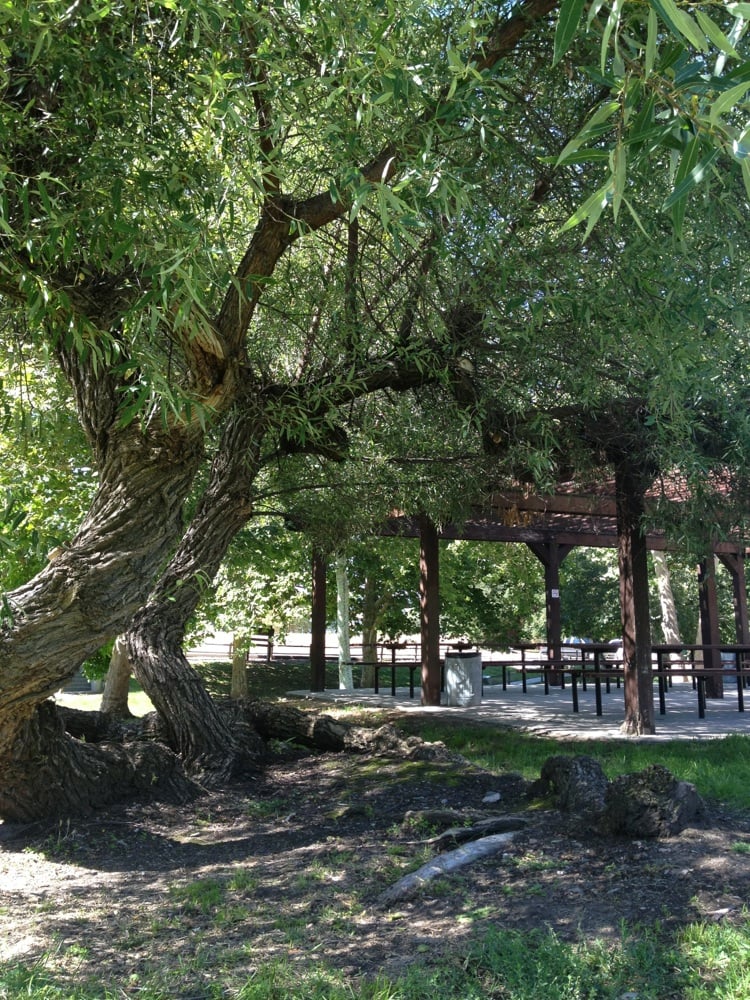
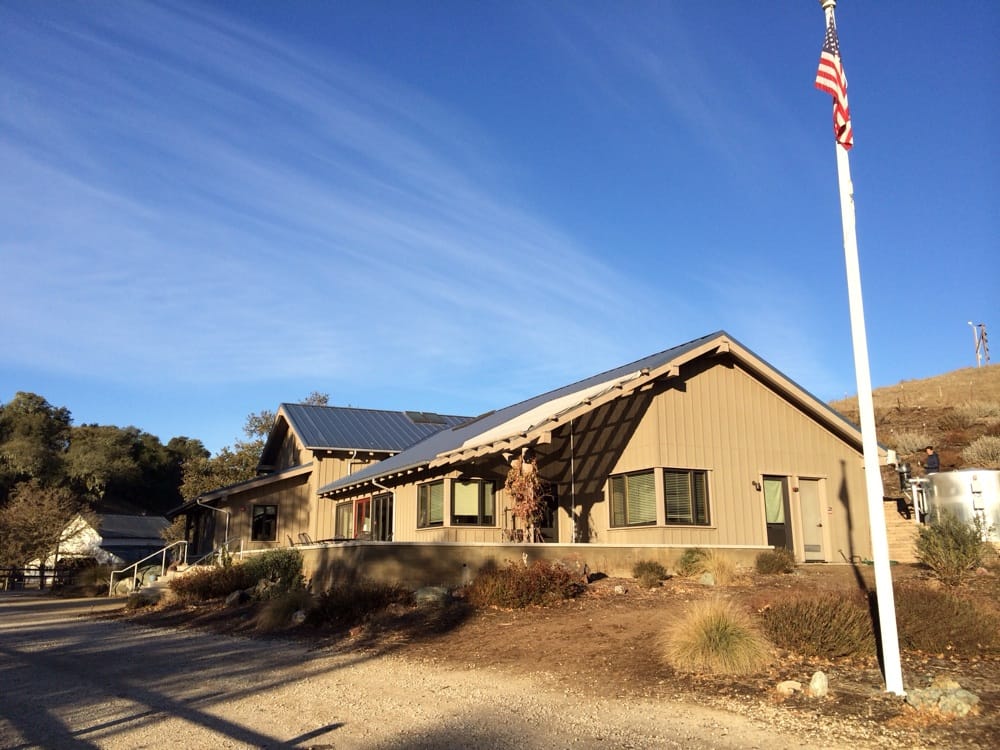
Santa Ynez is a scenic wine-country community located north of Santa Barbara in the Santa Ynez Valley.
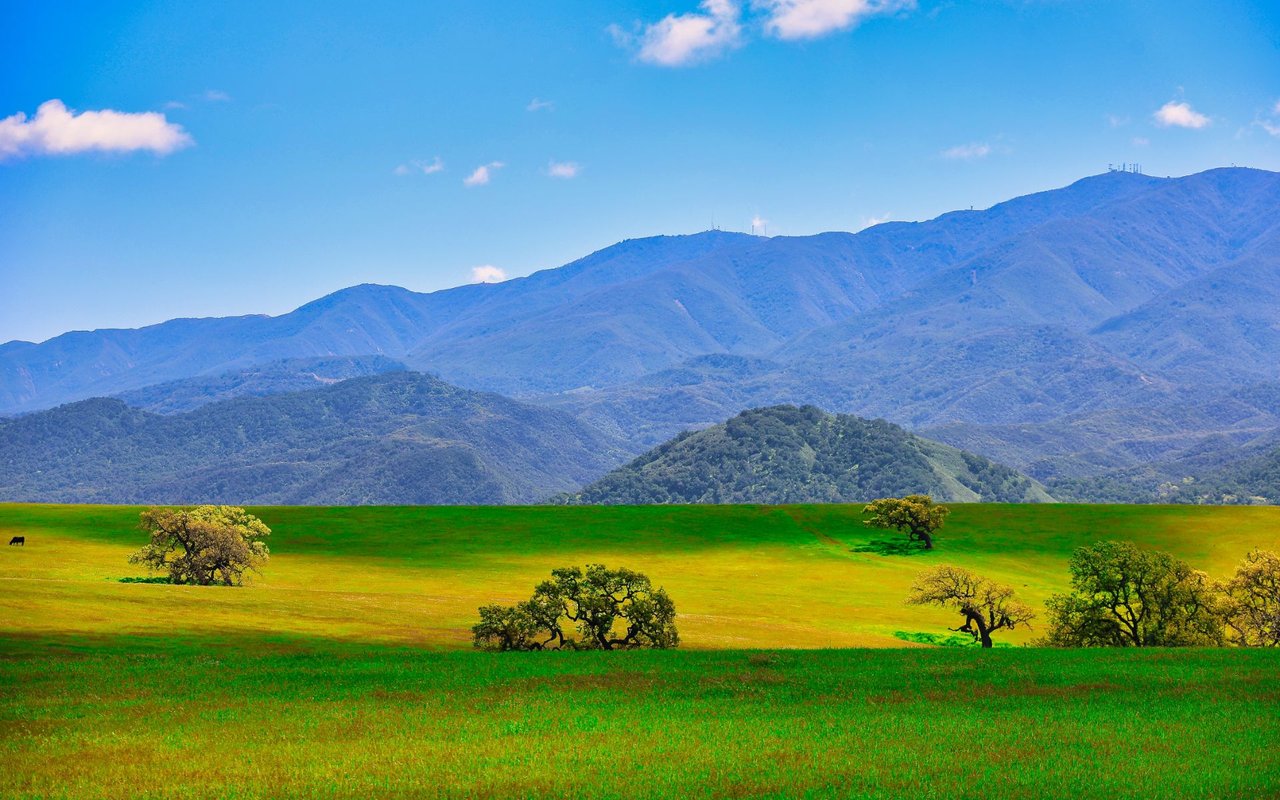
The Santa Ynez Valley is the other half of the Santa Barbara story. Thirty minutes north of the coast through the San Marcos Pass, the landscape shifts entirely: rolling golden hills, oak woodlands, vineyard rows, horse pastures, and a sky that seems bigger than it does at sea level. The pace changes, too. The valley moves on its own schedule, defined by the agricultural calendar, the wine harvest, and a community of people who chose this landscape deliberately and live accordingly. If you are ready to explore what is currently available, browse Santa Ynez Valley homes for sale.
I have been coming up here for decades, and it has never lost its pull. Alisal Ranch in Solvang is one of my favorite places in all of Santa Barbara County. A 10,500-acre working ranch that has been welcoming guests since 1946, it has 50 miles of riding trails, a 100-acre spring-fed lake, two championship golf courses, and a philosophy of deliberately leaving televisions out of the rooms so that guests have no choice but to be present. I attend regularly. It is the kind of place that reminds you what California was before it became expensive and self-conscious. I am also a member at Folded Hills, one of the valley's most thoughtfully conceived wineries, and it is one of my favorite spots to spend a weekend afternoon. And when a close friend recently purchased a home in Los Alamos, I had another reason to keep exploring the valley's western reaches.
The Santa Ynez Valley is not a single town but a collection of distinct communities, each with its own personality, sharing a common landscape and a common sense of remove from the coastal bustle to the south. The five traditional valley towns of Santa Ynez, Solvang, Los Olivos, Ballard, and Buellton each have their own character, and understanding those differences is one of the first things I walk buyers through when they start exploring this area seriously.
Santa Ynez is the most equestrian-focused of the valley communities, a small unincorporated town of roughly 5,000 residents built around the horse culture that has defined the valley since the ranching era. Thoroughbred breeding, dressage, and western riding coexist here without tension. Solvang, the Danish village founded in 1911 by Danish immigrants, is the valley's most visited town, its windmills and half-timbered architecture drawing over a million visitors annually. Behind the tourism veneer is a genuine community with good schools, a strong local economy, and an increasingly sophisticated food and wine scene anchored by restaurants like First and Oak and the Alisal's own dining program.
Los Olivos is the valley's art and wine epicenter, a tiny crossroads of roughly 1,000 people whose main street is lined with tasting rooms, galleries, and restaurants that draw a well-heeled weekend crowd from Santa Barbara and Los Angeles. Grand Avenue is one of the most concentrated collections of high-quality wine tasting experiences in California, with producers including Carhartt, Beckmen, and Stolpman all within a short walk. Ballard is the valley's quietest community, a small agricultural hamlet best known for Ballard Inn and Restaurant and the kind of deep rural quiet that has become genuinely rare within an hour of a major metropolitan area. Buellton, bisected by Highway 101, serves as the valley's practical spine, home to services, restaurants including the legendary Pea Soup Andersen's, and a growing craft beverage scene anchored by Industrial Eats and the Figueroa Mountain Brewing taproom.
Los Alamos deserves its own mention. Located in the northern Santa Ynez Valley along Highway 135, it is a former railroad town that has experienced a genuine cultural renaissance over the past decade. Bell Street, its main drag, now contains a remarkable concentration of wine bars, restaurants, and natural wine producers that have attracted a younger generation of agricultural professionals, winemakers, and creative types who are finding in Los Alamos the combination of community, affordability, and agricultural identity that they cannot find elsewhere on the Central Coast. A close friend recently purchased there, and what I have seen firsthand confirms that Los Alamos is one of the more interesting emerging real estate stories in Santa Barbara County right now. If you are comparing the Santa Ynez Valley to coastal communities like Carpinteria, Summerland, or Montecito, each of those neighborhood guides covers the distinctions in detail.
After more than 33 years on the Central Coast and as part of C&H Real Estate Group, the number one team in the Santa Barbara MLS with over $1 billion in sales, I approach the Santa Ynez Valley as a market that rewards buyers who understand it on its own terms rather than as a compromise version of coastal Santa Barbara.
The buyers who do best here are the ones who actually want to live differently. They want acreage, quiet, animals, and the particular freedom that comes from a property where your nearest neighbor is genuinely not within earshot. They want access to some of the best wine country in the United States without the Napa Valley price premium and attitude. They want proximity to Santa Barbara, which remains accessible for work, culture, and the coast, without paying coastal prices for every square foot of their home. And increasingly they are finding that the valley's quality of life proposition, access to Alisal, to producers like Folded Hills, to the dining scene in Los Olivos and Los Alamos, to the riding culture that saturates the entire region, is not a consolation prize but a genuine first choice.
The valley's real estate market is also meaningfully different from the coast in its structure, its buyer profile, and the specific due diligence considerations it requires. Agricultural zoning, water rights, well and septic infrastructure, and the specific constraints and opportunities of equestrian properties all require a level of familiarity that comes from working this market consistently rather than occasionally. If you are weighing the valley against coastal alternatives like Carpinteria, Goleta, or The Mesa, I am happy to walk you through the trade-offs between inland and coastal living on the South Coast.
The Santa Ynez Valley's lifestyle is built around land, wine, and the outdoors, and it delivers on all three without requiring you to fight crowds to access them.
The wine scene is genuinely world-class. The valley contains over 120 vineyards across several American Viticultural Areas, including the Santa Ynez Valley AVA, the Sta. Rita Hills AVA to the west, and the Ballard Canyon AVA. Producers range from boutique family operations to nationally recognized estates, and the culture of the tasting room here is more relaxed and personal than in Napa or Sonoma. Folded Hills in Gaviota, where I hold membership, is one of my personal favorites: a family-run estate that produces exceptional wines from a working ranch setting that captures everything the Santa Ynez Valley does best. The tasting experience there feels genuinely personal rather than transactional.
Alisal Ranch sits in a category of its own. Across 10,500 acres of rolling hills near Solvang, it offers horseback riding on 50 miles of trails, fishing and boating on a 100-acre spring-fed lake, two 18-hole championship golf courses, a spa, tennis, and a dining program that sources from the surrounding landscape. The absence of televisions in the guest rooms is a policy rather than an oversight, and it is exactly the right call. I attend regularly and consider it one of the genuinely irreplaceable experiences in Southern California.
Hiking and cycling opportunities throughout the valley and into the surrounding Los Padres National Forest are exceptional. Figueroa Mountain, accessible from Los Olivos, offers one of the finest long rides on the Central Coast with climbs to over 3,200 feet and views that extend from the Channel Islands to the Central Valley on clear days. Nojoqui Falls County Park, a short drive from Solvang, provides a family-friendly hiking option that most valley newcomers discover and love immediately. And for those who want to combine a valley visit with a coastal afternoon, Carpinteria, Summerland, and Montecito are all within a 30 to 40-minute drive from the valley floor.
The Santa Ynez Valley Unified School District serves the communities of Santa Ynez, Solvang, Ballard, and Los Olivos, operating a small, community-oriented district where students from across the valley attend the same schools. Santa Ynez Valley Union High School is the district's only high school, a tight-knit campus of roughly 600 students with a strong agricultural education program, competitive athletics, and the kind of community identity that larger schools rarely achieve. The district's elementary schools, including Jonata School in Buellton and Old Town School in Santa Ynez, have active parent communities and experienced staff.
Buellton is served by the Buellton Union School District for elementary grades, with students feeding into Santa Ynez Valley Union High School for secondary education. Los Alamos is served by the Orcutt Union School District, a consideration for buyers in that community to verify carefully.
For families considering boarding or independent options, Santa Barbara's private school ecosystem is accessible via the San Marcos Pass, and the valley's own small community dynamic often serves families well who find the local schools to be exactly the right fit.
Buying in the Santa Ynez Valley requires due diligence that is meaningfully different from coastal Santa Barbara, and buyers who approach it without that preparation can encounter expensive surprises.
Water is the first and most important consideration. Most properties outside the incorporated areas rely on private wells rather than municipal water. Well condition, depth, flow rate, and water quality testing are essential components of any offer process for rural and semi-rural properties. Water rights, where applicable, require legal review. In drought years, well performance can vary significantly from what was disclosed at the time of listing.
Septic systems, rather than municipal sewer service, are standard throughout much of the valley. Septic inspection and condition assessment should be treated as a non-negotiable part of any due diligence process.
Agricultural zoning creates both opportunities and constraints. Properties zoned for agriculture have different development rights, different permitted uses, and different planning pathways than residential properties. Buyers who want to add structures, create accessory dwelling units, or develop agricultural operations on a property should review zoning designations and county planning requirements before committing.
Equestrian properties, which represent a significant portion of the valley's most desirable inventory, require specific evaluation of barn infrastructure, arena condition, fencing, turnout, trail access, and the specific costs of maintaining those facilities. I work regularly with equestrian buyers and can help structure due diligence accordingly.
Fire risk is a genuine consideration throughout the valley, driven by its inland position, dry summers, and seasonal wind events. Insurance availability and premium expectations vary significantly by specific location within the valley and should be verified as part of standard due diligence. For buyers who want to minimize fire risk while staying on the South Coast, coastal neighborhoods like The Mesa and Carpinteria carry significantly lower risk profiles and are worth comparing before you commit to an inland purchase.
The Santa Ynez Valley real estate market operates on a different rhythm from the coast. Throughout 2025, average listing prices in the valley consistently ranged from $3.8 million to $4.6 million, reflecting the significant luxury and estate inventory that defines the upper end of the market, while average sale prices ran between $1.3 million and $2.25 million, the spread reflecting the gap between aspirational listing prices and what buyers are actually paying. Homes.com
As a general rule of thumb, valley prices tend to run approximately 20% below comparable Santa Barbara coastal properties Katinkagoertz, which represents a meaningful value proposition for buyers who want the Central Coast lifestyle without the coastal premium. That discount is structural, driven by the valley's inland position and longer commute to the coast, and it has persisted across market cycles.
Current active listings on the valley page range from $735,000 for a three-bedroom home in Buellton to $59.5 million for a substantial estate on Westerly Road, a range that accurately reflects the market's breadth. The mid-market, properties in the $1.5 million to $4 million range, represents the valley's most active segment and is where the equestrian estates, vineyard properties, and agricultural ranchettes that define the valley's character are most concentrated.
Homes in the Santa Ynez Valley are somewhat competitive, selling on average in around 59 days, with properties typically closing at approximately 5% below list price Kirkhodson, giving prepared buyers reasonable room to negotiate on correctly priced properties while rewarding sellers who price accurately from the outset.
Los Alamos, in particular, is worth watching as a distinct emerging sub-market. The combination of relative affordability, authentic agricultural character, and a genuinely vibrant community of young creative and agricultural professionals is creating demand that has not yet fully been reflected in pricing, and buyers who recognize that dynamic early will benefit from it over the next several years.
Browse current Santa Ynez Valley listings to see what is available now, or explore neighboring coastal communities, including Carpinteria, Summerland, Montecito, and Goleta, if you are weighing inland versus coastal living on the South Coast.
If you are thinking about buying or selling in the Santa Ynez Valley, I would welcome the conversation. It is a part of Santa Barbara County I know well and care about deeply. Reach me at (805) 455-7661 or at [email protected].
22,538 people live in Santa Ynez Valley, where the median age is 49 and the average individual income is $68,037. Data provided by the U.S. Census Bureau.
Total Population
Median Age
Population Density
Average individual Income
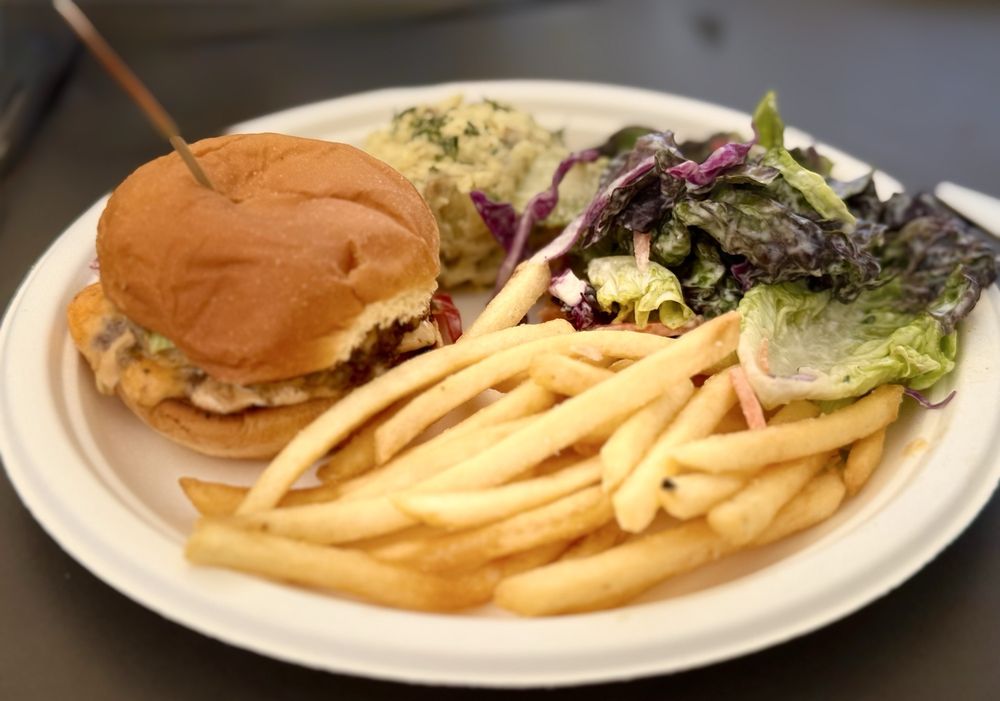
There's plenty to do around Santa Ynez Valley, including shopping, dining, nightlife, parks, and more. Data provided by Walk Score and Yelp.
Explore popular things to do in the area, including Figueroa Farms, Crown Point Vineyards, and Two Wolves Wine.
| Name | Category | Distance | Reviews |
Ratings by
Yelp
|
|---|---|---|---|---|
| Dining | 1.52 miles | 0 reviews | 0/5 stars | |
| Dining | 1.52 miles | 13 reviews | 5/5 stars | |
| Dining | 2.21 miles | 0 reviews | 0/5 stars | |
| Dining | 2.48 miles | 5 reviews | 3.8/5 stars | |
| Dining | 2.64 miles | 3 reviews | 3/5 stars | |
| Dining | 2.85 miles | 1 review | 5/5 stars | |
| Dining | 3.18 miles | 0 reviews | 0/5 stars | |
| Dining · $ | 3.28 miles | 53 reviews | 4.7/5 stars | |
| Dining | 3.39 miles | 61 reviews | 4.9/5 stars | |
| Dining | 3.44 miles | 1 review | 5/5 stars | |
| Dining · $$ | 3.49 miles | 565 reviews | 4.1/5 stars | |
| Dining | 3.51 miles | 0 reviews | 0/5 stars | |
| Dining | 3.61 miles | 0 reviews | 0/5 stars | |
| Dining | 3.63 miles | 0 reviews | 0/5 stars | |
| Dining · $$ | 3.68 miles | 880 reviews | 4.2/5 stars | |
| Dining · $$ | 3.68 miles | 98 reviews | 3.9/5 stars | |
| Dining · $$ | 3.7 miles | 242 reviews | 3.9/5 stars | |
| Active | 2.88 miles | 1 review | 5/5 stars | |
| Active | 3.09 miles | 4 reviews | 5/5 stars | |
| Active | 3.11 miles | 2 reviews | 3/5 stars | |
| Active | 3.44 miles | 1 review | 5/5 stars | |
| Beauty | 1.94 miles | 3 reviews | 5/5 stars | |
| Beauty | 2.64 miles | 0 reviews | 0/5 stars | |
| Beauty | 3.7 miles | 3 reviews | 5/5 stars | |
|
|
||||
|
|
||||
|
|
||||
|
|
||||
|
|
||||
|
|
Santa Ynez Valley has 9,022 households, with an average household size of 2. Data provided by the U.S. Census Bureau. Here’s what the people living in Santa Ynez Valley do for work — and how long it takes them to get there. Data provided by the U.S. Census Bureau. 22,538 people call Santa Ynez Valley home. The population density is 1,014 and the largest age group is Data provided by the U.S. Census Bureau.
Total Population
Population Density Population Density This is the number of people per square mile in a neighborhood.
Median Age
Men vs Women
Population by Age Group
0-9 Years
10-17 Years
18-24 Years
25-64 Years
65-74 Years
75+ Years
Education Level
Total Households
Average Household Size
Average individual Income
Households with Children
With Children:
Without Children:
Blue vs White Collar Workers
Blue Collar:
White Collar:
Browse Other Neighborhoods

ADDRESS 1255 Coast Village Rd Ste 102B Santa Barbara CA 93108
ADDRESS 1255 Coast Village Rd Ste 102B Santa Barbara CA 93108